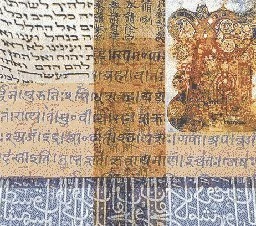
Book of Joshua
Biblical account of Israel's conquest and settlement of Canaan.

The Book of Joshua is the sixth book in the Hebrew Bible and the Old Testament, and is the first book of the Deuteronomistic history, the story of Israel from the conquest of Canaan to the Babylonian exile. It tells of the campaigns of the Israelites in central, southern and northern Canaan, the destruction of their enemies, and the division of the land among the Twelve Tribes, framed by two set-piece speeches, the first by God commanding the conquest of the land, and, at the end, the second by Joshua warning of the need for faithful observance of the Law (torah) revealed to Moses.
- Biblical book
- Book of Joshua
- Position
- Sixth book in the Hebrew Bible and Old Testament
- Part of
- Deuteronomistic history
- Main figure
- Joshua
- Key themes
- Conquest of Canaan, division of the land, covenant faithfulness
- Scholarly consensus
- Historically problematic; treat with caution
Lore & Background
The Book of Joshua begins after the death of Moses, with God commissioning Joshua to take possession of the Promised Land and warning him to keep faith with the Mosaic covenant. The narrative describes the Israelites' entry into Canaan, including the reconnaissance of Jericho by two spies who are hidden by Rahab, a Canaanite woman, and the miraculous crossing of the Jordan River. The conquest proceeds with the destruction of Jericho, followed by campaigns at Ai, in southern Canaan, and in northern Canaan, culminating in a summary of lands conquered and a list of defeated kings.
Reader's Guide
The Book of Joshua is significant as the first book of the Deuteronomistic history, which traces Israel's story from the conquest of Canaan to the Babylonian exile. Its structure—framed by divine and human speeches, a conquest narrative, and a land distribution—serves a theological function, showing how the promise of the land was realized. However, the consensus among scholars is that the book is historically problematic and should be treated with caution in reconstructing early Israelite history. Many scholars interpret the book as describing what would now be considered genocide, though others counter that such a label is anachronistic. Its descriptions of conquest and land allotment reflect later theological and geographical concerns rather than precise historical record.
Did You Know?
- The earliest parts of the Book of Joshua are possibly chapters 2–11, the story of the conquest.
- Many scholars interpret the book as describing what would now be considered genocide, though others call this anachronistic.
- The list of defeated kings in Joshua 12 includes 31 kings on the west of the Jordan.
Frequently Asked Questions
Who is Book of Joshua?
Book of Joshua is the sixth book of the Hebrew Bible and the Christian Old Testament, and it serves as the opening volume of the Deuteronomistic history. It narrates the Israelites' military campaigns across Canaan and the subsequent apportionment of the land to the Twelve Tribes.
What is Book of Joshua's main plot or role?
The book follows Joshua as he leads a series of conquests through central, southern, and northern Canaan, ending with the division of the territory among the tribes. It is framed by two set-piece speeches: God's initial command to take the land and Joshua's final warning to remain faithful to the Mosaic Law.
Who is the main character in Book of Joshua?
Joshua, the successor to Moses, is the central figure who directs the military campaigns and oversees the settlement of Canaan. His leadership is presented as a continuation of the covenant God established with Israel through Moses.
What are Book of Joshua's key themes?
The primary themes are the conquest of Canaan, the division of the land among the Twelve Tribes, and covenant faithfulness to the torah revealed to Moses. The text stresses that faithful observance of God's law is the condition for retaining the promised land.
Where does Book of Joshua fit in the broader Bible, and how should readers approach it?
It sits as the sixth book in the Hebrew Bible and Old Testament, opening the Deuteronomistic narrative that runs from the conquest of Canaan all the way to the Babylonian exile. Modern scholarship regards its historical claims as problematic, so it is best read with caution alongside other ancient Near Eastern sources.
More in Christian Sacred Texts 1-24
Elsewhere in the Christian Sacred Texts universe
Spotted an error? Know more?
This is a living reference — every entry is fact-audited, and reader corrections feed straight into our audit queue. Suggest an edit · See this site's audit record