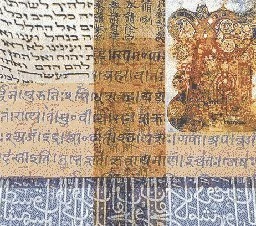
Book of Jeremiah
Prophetic book of judgment and restoration during the Babylonian exile.

The Book of Jeremiah is the second of the Latter Prophets in the Hebrew Bible and the second of the Prophets in the Christian Old Testament. It records the prophetic utterances of the priest Jeremiah, son of Hilkiah, from the town of Anatot, during the final years of the kingdom of Judah and the Babylonian exile. The book is intended as a message to the Jews during the Babylonian exile, explaining the disaster of exile as God's response to Israel's pagan worship, while also foreshadowing restoration and a new covenant.
- field
- Biblical prophecy and literature
- known_for
- Prophetic book detailing the fall of Jerusalem and the Babylonian exile
- language
- Hebrew (Masoretic) and Greek (Septuagint)
- composition_period
- From the late 7th to the 2nd century BCE
Lore & Background
The book depicts a remarkably introspective prophet, impetuous and often angered by his role, who performs symbolic acts such as walking with a yoke about his neck. He is taunted, retaliates, is thrown in jail, and at one point is thrown into a pit to die.
Reader's Guide
The Book of Jeremiah is significant as a key prophetic text that interprets the Babylonian exile as divine punishment for Israel's unfaithfulness, while also offering hope of restoration and a new covenant. Its complex composition history, involving multiple editors and two distinct textual traditions, provides insight into the development of biblical literature. The book's poetic sections (chapters 1–25) are widely considered to contain authentic oracles of Jeremiah, while the prose and biographical material show clear affinities with the Deuteronomistic school. The Greek version reflects concerns of the early Persian period, while the Masoretic Hebrew version includes perspectives that reached realization in the 2nd century BCE. Jeremiah's personal struggles, expressed in his 'confessions,' make him one of the most vividly portrayed prophets in the Bible. The book's legacy includes its influence on Jewish and Christian understandings of covenant, judgment, and restoration, and its role in shaping the Deuteronomistic history of Israel.
Did You Know?
- The Book of Jeremiah exists in two distinct versions: a shorter Greek version (Septuagint) and a longer Masoretic Hebrew text.
- Both versions of Jeremiah were found among the Dead Sea Scrolls, indicating important stages in the text's transmission.
- The book's poetic sections in chapters 1–25 are widely accepted as containing the authentic oracles of Jeremiah.
- Jeremiah's 'confessions' or spiritual diary are poetic passages where the prophet agonizes over his mission and accuses God of betraying him.
Frequently Asked Questions
What is the Book of Jeremiah?
It is the second volume of the Latter Prophets in the Hebrew Bible, preserving the spoken words of a priest from Anatot who ministered during Judah's final years and the Babylonian captivity. In the Christian canon it sits as the second prophetic book of the Old Testament.
What is the main theme of the Book of Jeremiah?
The book frames the fall of Jerusalem as God's just response to Israel's turn toward pagan worship, yet it also looks forward to a restored relationship and a new covenant between God and his people.
When was the Book of Jeremiah composed?
Scholars generally place its writing between the late 7th century and the 2nd century BCE, meaning the text was shaped over several generations after the core events it describes.
Why does the Book of Jeremiah matter to readers today?
It is the primary prophetic text that gives theological meaning to the Babylonian exile, pairing a harsh verdict with a long-range promise of renewal. That combination of judgment and hope has made it a touchstone in both Jewish and Christian reflection on covenant.
How does the story in Jeremiah conclude?
The book closes with Jeremiah buying a plot of land in Anathoth, a deliberate act of faith signaling that the exiled community will return and the land will once again be inhabited.
More in Christian Sacred Texts 1-24
Elsewhere in the Christian Sacred Texts universe
Spotted an error? Know more?
This is a living reference — every entry is fact-audited, and reader corrections feed straight into our audit queue. Suggest an edit · See this site's audit record