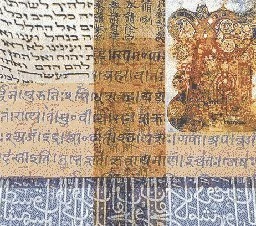
Book of Isaiah
A prophetic book of judgment, consolation, and restoration.

The Book of Isaiah is the first of the Latter Prophets in the Hebrew Bible and the first of the major prophets in the Christian Old Testament. It is identified by a superscription as the words of the 8th-century BCE prophet Isaiah, but evidence indicates much of it was composed during the Babylonian captivity and later.
- field
- Prophetic literature
- known_for
- First of the Latter Prophets; messianic prophecies; influence on Western culture
- language
- Hebrew
- period
- 8th century BCE to post-exilic period
Lore & Background
The book is traditionally attributed to the 8th-century BCE prophet Isaiah, but scholarly consensus through most of the 20th century saw three separate collections: Proto-Isaiah (chapters 1–39), Deutero-Isaiah (chapters 40–55), and Trito-Isaiah (chapters 56–66). More recent research has focused on the book's essential unity, though few scholars today attribute the entire book to one person. Isaiah speaks out against corrupt leaders and for the disadvantaged, rooting righteousness in God's holiness rather than in Israel's covenant. The Deutero-Isaian part describes how God will make Jerusalem the centre of his worldwide rule through a royal saviour (a messiah) who will destroy the oppressor; this messiah is the Persian king Cyrus the Great. Christians interpret passages of Isaiah as messianic prophecies of Jesus. The book was one of the most popular works among Jews in the Second Temple period. In Christian circles, it was held in such high regard as to be called 'the Fifth Gospel,' and its influence extends to English literature and Western culture, from Handel's Messiah to phrases like 'swords into ploughshares.'
Reader's Guide
The Book of Isaiah holds a central place in both Jewish and Christian traditions. In Judaism, it was among the most popular works during the Second Temple period. In Christianity, it was so highly regarded that it was called 'the Fifth Gospel,' and its messianic passages were interpreted as prophecies of Jesus. Its influence extends beyond religion into Western culture, providing the libretto for Handel's Messiah and contributing everyday phrases such as 'swords into ploughshares,' 'shelter from the storm,' and 'voice in the wilderness.'
Scholarly understanding of the book has evolved. The older consensus saw three distinct sections by different authors, but newer approaches emphasize the book's literary and formal characteristics, viewing it as a two-part structure (chapters 1–33 and 34–66) with an overarching theme of judgment and restoration. The book can be read as an extended meditation on the destiny of Jerusalem into and after the Exile. The composition history reflects a major difference in how authorship was regarded in ancient Israel versus modern societies; the ancients did not see it as inappropriate to supplement an existing work while remaining anonymous. While the authors are anonymous, it is plausible that all were priests, and the book may reflect Priestly concerns in opposition to the Deuteronomist reform movement.
Did You Know?
- The Deutero-Isaian part identifies the Persian king Cyrus the Great as the messiah who will destroy Babylon.
- The book is called 'the Fifth Gospel' in Christian circles due to its high regard.
- Everyday phrases like 'swords into ploughshares' and 'voice in the wilderness' originate from Isaiah.
Frequently Asked Questions
Who is the Book of Isaiah?
The Book of Isaiah is a prophetic text in the Hebrew Bible and the Christian Old Testament, attributed to the 8th-century BCE prophet Isaiah. It opens the Latter Prophets section and stands as the first of the major prophetic books.
What is the Book of Isaiah known for?
It is best recognized for its messianic prophecies and its sweeping arc from judgment through consolation to restoration. Its vivid imagery and themes have left a deep mark on Western literature, art, and theology.
How does the Book of Isaiah end?
The final chapters paint a picture of universal restoration, with nations streaming toward Zion and the scattered people of Israel gathered back to their land. The closing vision centers on God's promise to remove suffering and renew all things.
Why is the Book of Isaiah important?
As the first volume of the Latter Prophets, it sets the theological and literary tone for the prophetic tradition that follows. Its messianic passages are among the most frequently cited in both Jewish and Christian interpretation, and its language has permeated Western culture broadly.
When was the Book of Isaiah composed?
Although the superscription attributes the words to an 8th-century BCE prophet, evidence indicates that portions were written during the Babylonian captivity and in the post-exilic period. The text as a whole spans from the 8th century BCE through the post-exilic era.
More in Christian Sacred Texts 1-24
Elsewhere in the Christian Sacred Texts universe
Spotted an error? Know more?
This is a living reference — every entry is fact-audited, and reader corrections feed straight into our audit queue. Suggest an edit · See this site's audit record